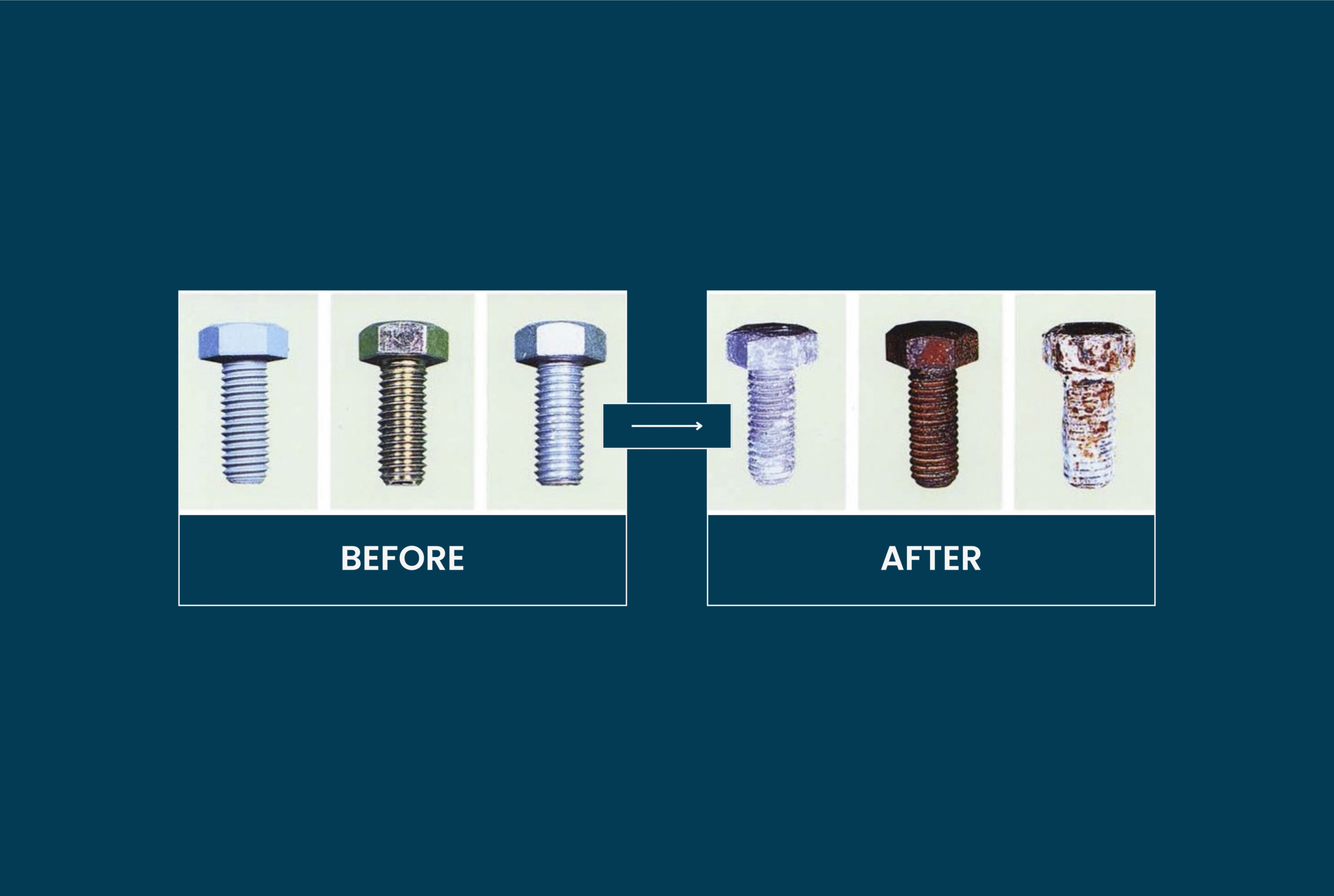
How Salt Spray Testing Helps You Choose the Right Fastener Coating
Due to the versatility of fasteners, they are often subject to various environmental conditions like moisture, chemicals, UV exposure as well as humidity. Thus, testing their ability to resist corrosion is of great importance, for fasteners to be able to stay reliable for as long as possible. One of the most common ways to test how well fastener coatings are able to resist corrosion is the salt spray test. This test gives you a controlled and regulated means to compare performance, assist quality assurance, and help manufacturers choose the right coating options. The test also helps manufacturers and engineers make smart choices that improve the serviceability of fasteners, which in turn reduces maintenance costs by providing outcomes that can be measured and repeated. The salt spray test is very useful for developing new products, checking suppliers, and comparing the performance of various kinds of coatings with respect to fasteners. It also helps in encouraging new ideas and makes sure that fasteners used in harsh conditions remain strong and dependable for as long as possible. While the SST provides great insight into how effective a fastener is, it is also vital to remember that SST has its own limitations and should only be utilized as part of a larger evaluation procedure.
What is the Salt Spray Test
The salt spray test is a method used to evaluate a fastener’s ability to resist corrosion within a controlled environment. To be able to obtain precise and consistent results, salt spray testing relies upon a defined methodology. Before being placed in the testing chamber, the coated fasteners are thoroughly cleaned as a part of the process’ preparation. Salt spray testing helps assess how well different coatings are able to perform and determine which one is best suited for a specific application. It also plays a great role in providing useful insights into the performance and suitability of various coating options. Engineers and manufacturers greatly rely upon this information to be able to select coatings that will perform reliably in the environments where the fasteners will be used.
For instance, fasteners that are used in coastal areas require much greater corrosion protection since they are exposed to significantly higher levels of salt. A coating that withstands salt spray testing for a longer duration is more likely to perform well in marine environments. On the other hand, fasteners that are used for indoor applications may not require the same level of corrosion resistance, since they don’t face the kind of harsh conditions that fasteners in coastal environments might do.
Why Salt Spray Test Ratings Matter
Salt spray tests help in recreating real-world conditions that fasteners operate in, within a safe and controlled environment. This allows manufacturers and engineers to see how protective coatings perform before they are selected to be used in real-world situations. This test is also important because it can anticipate how well a coating will resist corrosion, which in turn significantly helps in choosing the right material and improving the service life of a fastener.
One of the most significant aspects of SST is that it is able to provide quantifiable information about how well a particular coating can resist corrosion. This information is crucial to knowing how long a particular coating is able to prevent rust formation, since rust is one of the primary reasons for fasteners to wear.
Limitations of SST
While the SST provides a great insight into the abilities of different coatings to resist corrosion, it still is not able to provide the complete picture, since the test is unable to fully simulate the multiple environmental factors that are at play. Conditions like temperate changes, UV exposure as well as any mechanical or chemical changes are outside the purview of what a salt spray test is able to check.
Industries may make smarter decisions that help products last longer, cost less to maintain, and remain safe by understanding both the practical applications and the limitations of SST. SST remains a popular method for testing corrosion resistance since it is relatively rapid. Natural environmental exposure may take months or even years to exhibit any form of visible effects. Salt spray testing significantly helps in accelerating this process, which otherwise might take very long, allowing manufacturers to evaluate coating performance within days or weeks.
The test does more than simply measure how long a fastener lasts. SST provides a standardized way to evaluate protective coatings before they are used in real-world applications, particularly in industries that require dependable fastening systems. It allows manufacturers to compare coatings under controlled harsh conditions. Without any sort of testing, it would be really difficult for end users to be able to estimate how long a coating may survive in a given environment. The test massively helps in bridging this gap by delivering results that can not just be measured, but also be compared.
Quality control is one of the most critical functions of SST. Supplier verification is another important reason why SST is essential. When companies purchase fasteners, they rely on suppliers to provide coated products that meet defined performance standards. Salt spray test results give buyers assurance that the coating has been evaluated and meets the corrosion resistance benchmarks that were specified. In addition to performance assessment, SST also helps reduce long-term costs by minimizing premature failures and replacements.
Conclusion
The salt spray test is an important tool in assessing the performance of fasteners by offering a quick and comparable way to assess the quality coating options available. Even though the test cannot simulate all possible real-world factors at play, the test is a great indicator to assess corrosion resistance in controlled environments.
At Fastener World (India), we offer a wide variety of coating options that meet various SST benchmarks tailored to your project needs.