Types of Fastener Coatings and Their Benefits Explained
Introduction
Fasteners often tend to find themselves being used in projects or applications that need them to be deployed in extremely harsh conditions involving moisture, chemicals, temperature changes, or perhaps mechanical stress that is applied on a routine basis. They end up undergoing a lot of wear and tear due to being continuously exposed to such conditions, which in turn significantly reduces their service life. In order to be able to counter this problem, there is a protective coating that gets applied to them, which not only lets them withstand such harsh conditions better, but it also helps in enhancing the overall appearance and finish of these fasteners.
Below is a guide that helps manufacturers and engineers by providing them with all the information to help them accurately select fasteners that suit their specific project needs, from a cost as well as performance standpoint.
Coating Types
Zinc
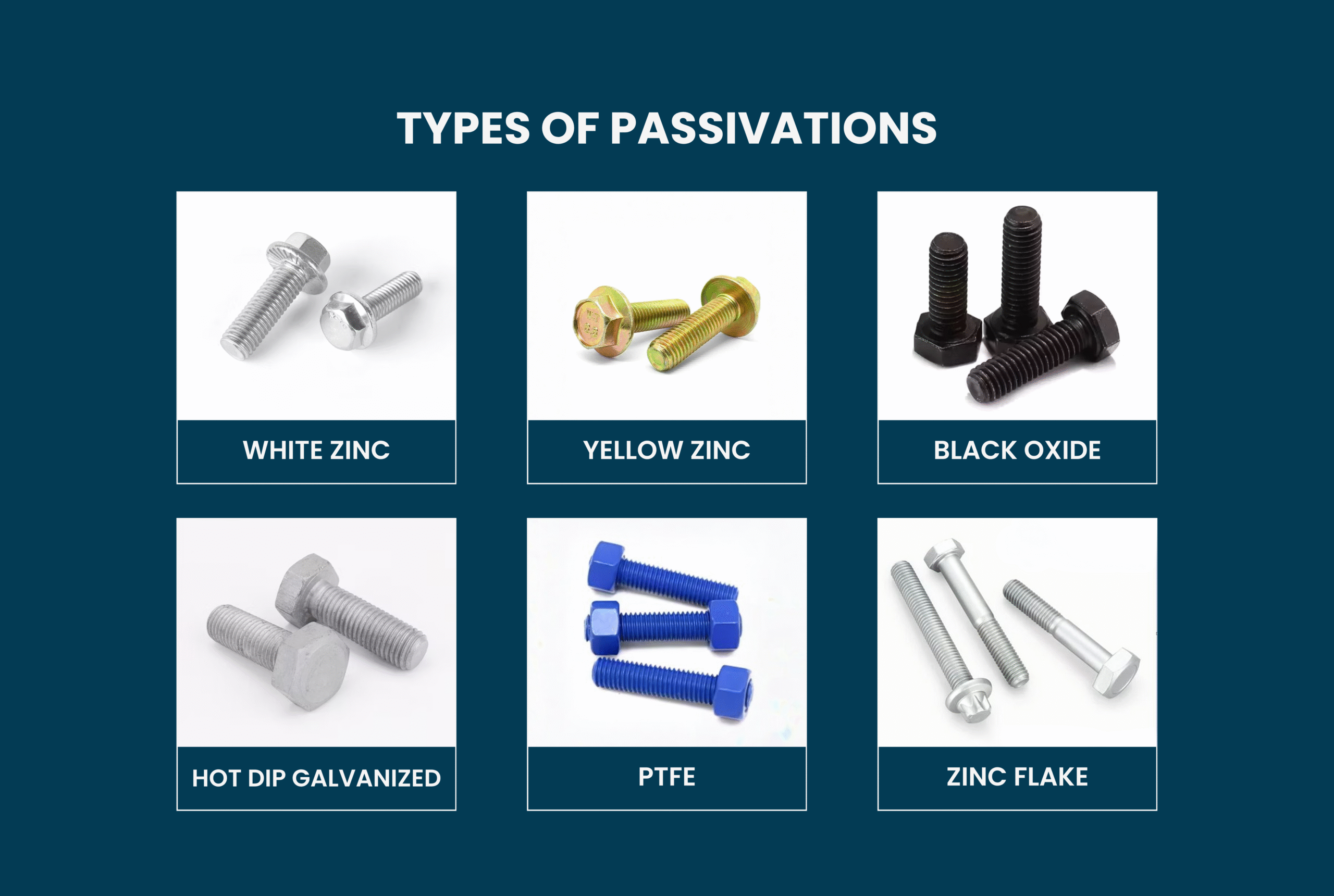
Zinc is one of the most frequent coatings used in many industries since it works well and is relatively cheaper. Zinc coatings may not only protect against rust, but they can also make fasteners appear better overall. Because of this, they are usually the best choice for general-purpose uses when manufacturers need modest protection against corrosion while keeping prices low. Manufacturers like them because they come in a variety of finishes, including as white, yellow, and black zinc, and they are also relatively cheaper.
White Zinc
Fasteners with white zinc have a sharp, silver shine that looks best inside or in controlled situations. People often use it for projects where looks are important but the fasteners won’t be in bad weather. The smooth, shiny surface makes the fasteners seem polished, which makes them good for installations that are easy to see. White zinc resists rust, although it works better inside where it doesn’t get wet.
White zinc-coated fasteners are commonly used in manufacturing and putting things together inside since they are cheap and provide good protection while also looking nice.
Yellow Zinc
It is good for uses that need a little more toughness but yet want to keep costs down. It is typically used in parts for cars, industrial equipment, and hardware that could get a little wet. Yellow zinc coatings are a good choice since they are cheap, don’t rust, and look good. Yellow zinc is much cheaper than more complex plating processes or parts made of stainless steel. When manufacturers and engineers want to keep things strong and safe without raising manufacturing costs, they commonly use this finish. Yellow zinc plating is often used in high-volume production when a lot of parts require consistent surface protection because it strikes a good compromise between price and performance.
Black Zinc
Black zinc coatings are utilized in cars and for decoration where both looks and protection are vital. Black zinc coating is a common way to treat metal parts that protects them from rust and gives them a nice black look. Black zinc coatings are used on autos and for decorating where both appearances and protection are important. Many car makers use black zinc coatings because they look sophisticated and sleek and prevent parts from rust.
Hot Dip Galvanizing
Depending on the thickness of the coating and the specifications for the procedure, salt spray resistance may last more than 1000 hours. This coating is mostly utilized in building, infrastructure, and structural projects that need to last a long time outside. Galvanized fasteners and parts are often used in bridges, traffic barriers, transmission towers, fences, pipelines, and structural steel frameworks because they can handle being outside all the time.
Zinc Flake
Zinc flake coatings defend against corrosion without changing the size of the fasteners too much since they are not electrolytic. This makes them good for situations when it is necessary for dimensions to stay the same. Zinc flake coatings work well in tough conditions and are often utilized in structural, automotive, and heavy equipment applications where dependability is very important. Because they don’t break down when exposed to hydrogen, they are good for high-strength fasteners that need to stay strong under stress. Zinc flake systems are a current answer for tough situations where both endurance and dimensional stability are needed.
Black Oxide
Black oxide is a thin chemical coating that makes a fastener’s surface smooth and matte black without making it noticeably thicker. It works well for parts and assemblies that need to fit together tightly since it doesn’t modify the size of the pieces too much. People often use this coating on steel and stainless steel parts. A regulated chemical procedure changes the metal’s surface into a protective oxide layer. The procedure doesn’t add a thick layer, so the fastener keeps its original size while both looking better and being more resistant to rust.
Nickel
Nickel coatings are effective at resisting wear and mild corrosion, however they are usually ideal for interior or controlled situations, not really hard outdoor ones. In these kinds of environments, the coating may keep fasteners and parts safe from rust, moisture, and damage from moving parts. Nickel plating is a good choice for covering metal parts and fasteners since it works well in a lot of different situations.
Conclusion
It is important for manufacturers and engineers to not only prioritize picking the right type of fasteners, but also spend some time on selecting the most appropriate coating options which can meet their performance expectations in terms of being able to resist corrosion, while also providing an overall enhancement to the appearance of their fasteners.
At Fastener World (India), we offer a range of coating options that not only enhance the overall appearance, but also positively impact durability, and performance of fasteners across diverse applications.