Guide to Fasteners Used in Electrical Applications
Stainless steel fasteners are popular for their superior corrosion resistance and strength. The units are for outdoor electrical cabinets, renewable energy systems and industrial installations that are often exposed to dampness. Brass fasteners are very valuable in electrical applications due to their superior electrical conductivity and corrosion resistance. Copper fasteners are also employed in situations where conductivity is important, such as grounding systems and electrical bonding applications. Aluminum fasteners may be used in low weight electrical assemblies, but must be used carefully with incompatible metals to prevent galvanic corrosion.
Electrical conductivity is another important factor when selecting fasteners for electrical applications. In certain electrical systems, fasteners are not only structural elements but also part of the conductive channel. Conductive fasteners are typically used for grounding systems, bonding applications, electrical terminals and busbars where efficient electrical flow is needed. These applications often use brass and copper fasteners since they are good conductors of electricity. However, some applications need non-conductive or insulated fasteners that prohibit unintentional passage of electricity or electrical interference. Nylon and plastic fasteners are often utilized in sensitive electronic equipment where electrical shielding is required.
Importance of Fasteners in Electrical Systems
Fasteners are among the most important components used in electrical systems as they offer the mechanical stability and secure connections necessary for safe and efficient functioning. Even though fasteners are frequently tiny, they are essential components in electrical equipment, power distribution systems, control panels, renewable energy installations, and industrial machinery. They assist in keeping components together, aligned, provide support for conductivity in certain applications, and assure long term dependability under varied environmental and operating situations. Incorrectly installed electrical systems may suffer from loose connections, overheating, vibration failures, equipment damage and even major safety issues without the right fasteners.
Electrical systems must work consistently and safely for a long time. The stability of electrical systems strongly relies on the quality of fastening solutions. Fasteners are used to hold electrical enclosures, cable trays, switchgear, grounding systems, transformers, connections and many other components in place. The failure of a fastening point, however little, may affect the operation of the whole system. Loose fasteners may disrupt electrical continuity, diminish machine efficiency, and raise maintenance needs. Weak fastening in high power systems may generate harmful circumstances such as electrical arcing, sparks or fire dangers.
One of the major reasons why fasteners are necessary in electrical systems is that they give structural stability. Many electrical systems are made up of a number of linked parts which must be held firmly in place while they are in operation. These parts are held in place by fasteners, which will remain secure despite vibration, thermal expansion, environmental conditions, or mechanical stress. Electrical equipment in industrial plants, transportation systems and renewable energy installations may be subjected to continual movement or vibration. Fasteners are used to hold components in place and prevent loosening. This is important for system stability and safe operation.
Factors to Consider When Selecting Electrical Fasteners
Outdoor electrical systems such as solar installations, street lights, maritime equipment and power distribution units need extremely corrosion resistant fasteners for long term operation. Another important element is temperature resistance in electrical applications. Electrical systems typically create heat, notably in power distribution systems, transformers, generators and heavy equipment.
Fasteners for high temperature service must retain their strength and clamp load without degradation or deformation. Some materials lose mechanical strength when exposed to heat over lengthy periods of time which might result in weak connections or equipment instability. In high temperature situations, heat resistant alloys and specially treated fasteners are routinely utilized to assure safe and dependable operation.
The mechanical strength and the load capacity of the electrical fastener are other important elements in the choice. Fasteners must be robust enough to sustain the loads and pressures put on the electrical assembly in operation.
Materials and Coatings Used in Electrical Fasteners
Electrical fasteners are important components of electrical systems that hold systems together, provide structural integrity, support conductivity, and assure long term dependability of operation. These fasteners find broad use in switchgear, transformers, grounding systems, electrical panels, cable trays, renewable energy systems, communication equipment, and industrial machines.
Electrical systems are typically utilized in harsh conditions, such as moisture, heat, vibration and chemical exposure. The material and coating of electrical fasteners is important to the performance and longevity of the fastener. The appropriate mix of fastener material and protective coating may assist increase corrosion resistance, conductivity, durability and safety overall.
Types of Fasteners Used in Electrical Systems
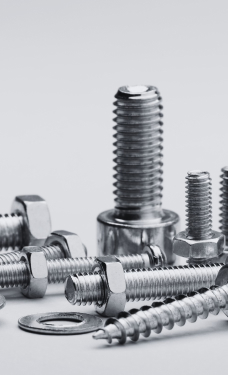
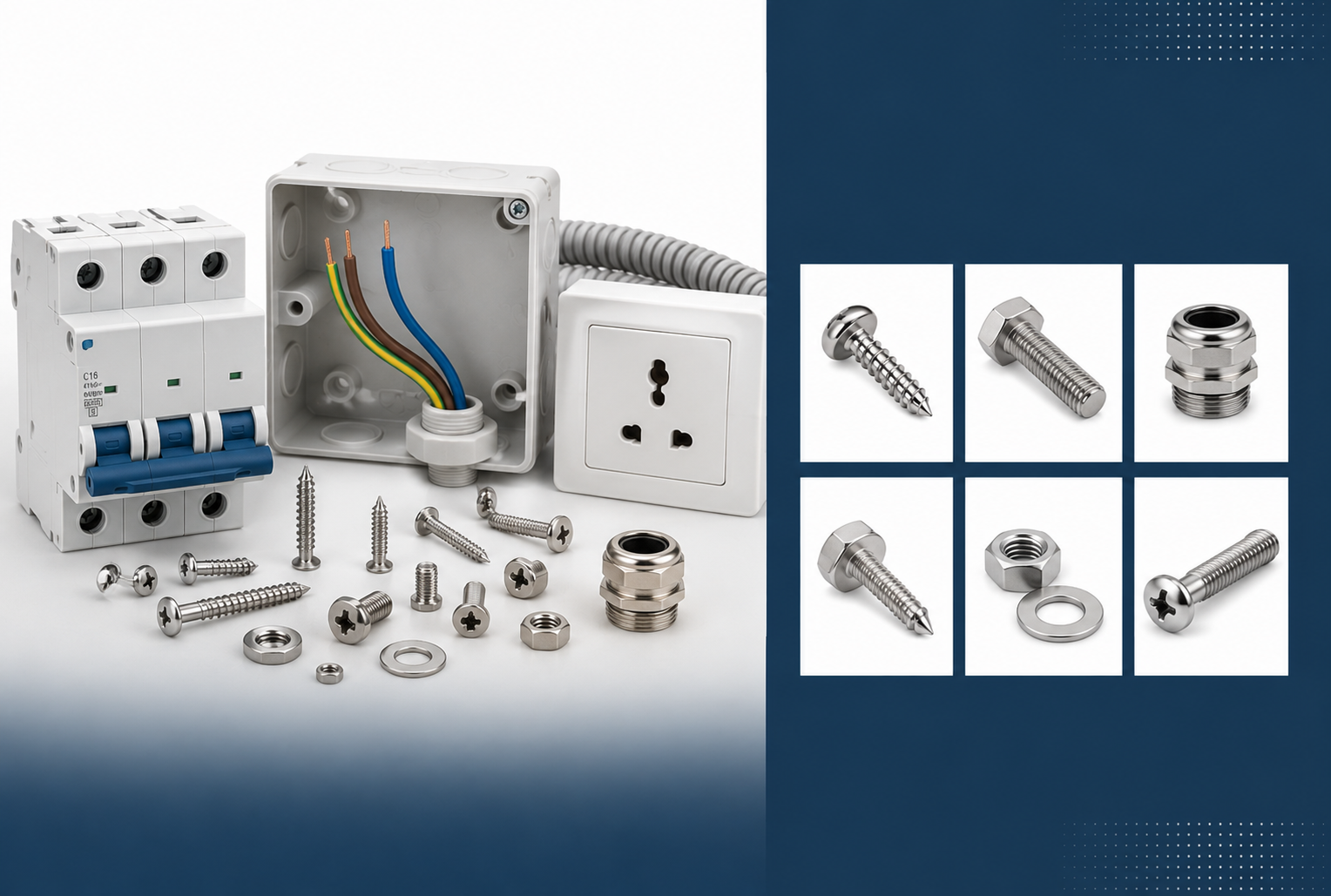
Fasteners are critical to electrical applications because they offer the mechanical strength, stability and secure connections that ensure dependable system operation. They have wide use in fastening large electrical equipment, mounting structures, transformers, switchgear assemblies and support frameworks. Bolts provide high clamping force and can withstand heavy mechanical stress.
Hex bolts are particularly popular since they can be tightened with simple tools and have a great grip. Machine screws are another commonly utilized fastener in electrical applications. These screws are often used in fastening electrical panels, terminal blocks, switches, relays and electronic components.
They come in many head types such as pan head, round head, flat head and countersunk designs. Their precision threading enables them to make secure connections in threaded holes or when used with nuts. Machine screws are commonly utilized in electrical assemblies for their ability to secure and enable for simple maintenance and removal.
Choosing the Right Fastener for Long-Term Electrical Performance
Proper fastener selection also helps improve installation efficiency and reduce maintenance requirements. Fasteners with suitable materials, coatings as well as locking features help in maintaining secure connections even while operating in extremely demanding operating conditions.
At Fastener World (India), we provide a wide range of industrial fasteners suitable for electrical applications, including stainless steel fasteners, brass fasteners, machine screws, bolts, nuts and corrosion-resistant fastening solutions. It is important to select the appropriate fastener since that helps in improving the reliability of electrical systems, safety and long-term performance across residential, commercial and industrial environments.